
How to use the plate calculator
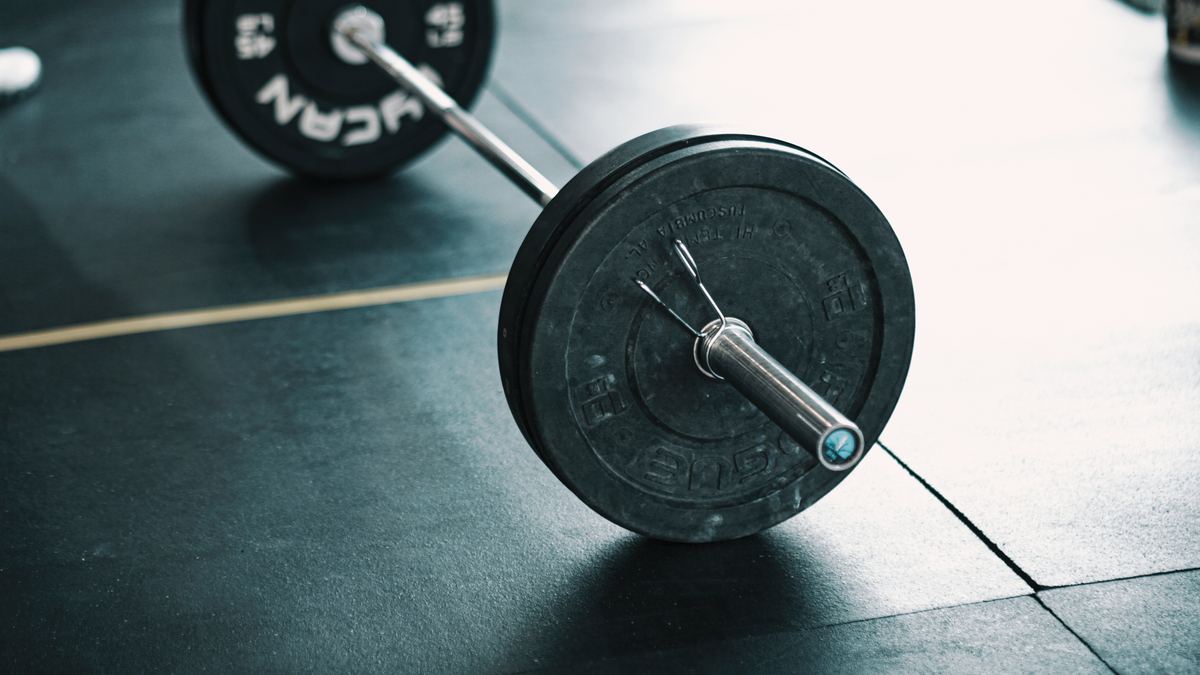
Pick your units, choose the bar you're using and enter the total weight you want to lift, bar included. The calculator subtracts the bar, splits the rest evenly between both sides and loads the heaviest plates first, which is how most lifters set up a bar. If your exact target isn't possible with your plates, it shows the closest weight below it.
Untick any plate your gym doesn't have. Many commercial gyms in the US don't stock 2.5 lb plates, and many home gyms skip the 35s.
Standard bar weights
| Bar | Weight | Common use |
|---|---|---|
| Men's Olympic bar | 20 kg / 45 lb | Most barbell lifts |
| Women's Olympic bar | 15 kg / 35 lb | Olympic lifting, smaller hands |
| Technique or junior bar | 10 kg / 15 lb | Learning lifts, light work |
Plate colors
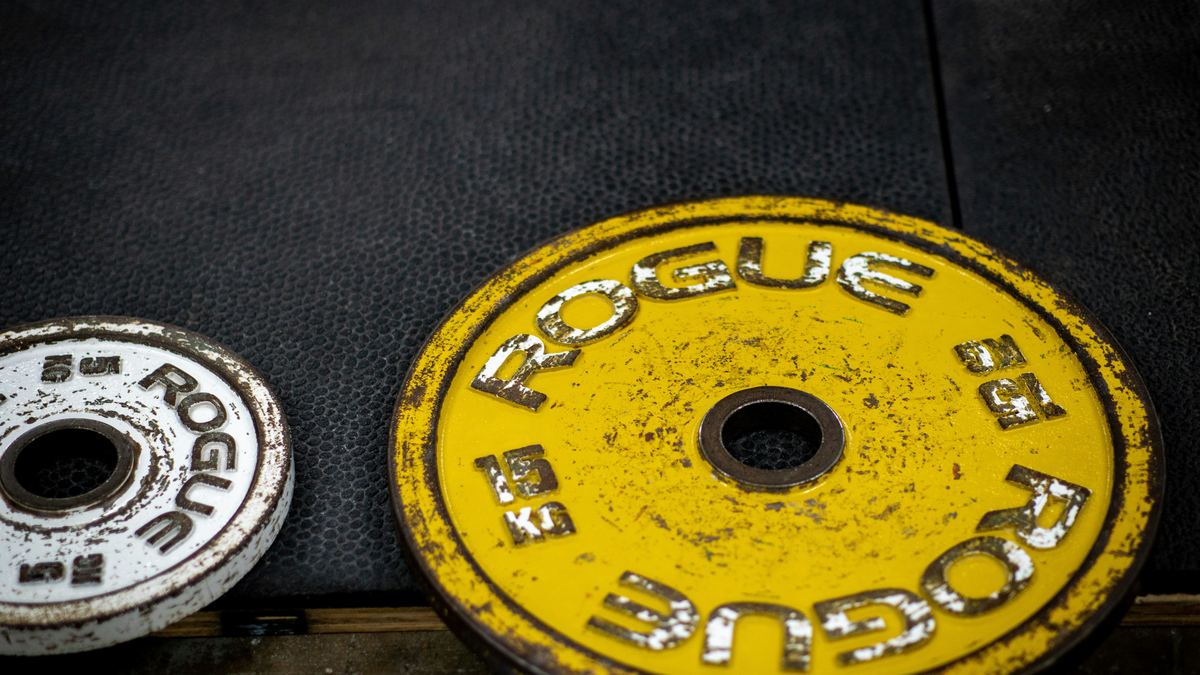
Competition plates follow a color code so judges and lifters can read the bar at a glance: red is 25 kg, blue 20 kg, yellow 15 kg, green 10 kg and white 5 kg. Pound bumper plates in US gyms often borrow the same idea, with blue for 45 lb, yellow for 35 lb and green for 25 lb. The drawing above uses these colors.
Frequently asked questions
How much do collars weigh?
Spring clips weigh almost nothing, but competition collars weigh 2.5 kg each. If you use them, add 5 kg to the total or leave out one 2.5 kg plate per side.
Are gym plates exactly what they say?
Not always. Cheap iron plates can be a few percent off their listed weight. Calibrated competition plates are accurate to within about 10 grams.
Why load the heaviest plates first?
Big plates on the inside keep the weight close to your hands, so the bar is more stable and the small plates are easy to change between sets.
Loading tips
- Load the heaviest plates closest to the center so the bar stays balanced.
- Always use collars, especially on squats and bench press.
- Double-check both sides match before you unrack. Uneven bars are a common cause of tweaked shoulders and backs.