To cut without losing muscle, you need four things working together: a moderate calorie deficit, high protein, continued heavy training and enough sleep. Drop any one of them and your body starts to see muscle as an expensive luxury it can do without.
1. Set a moderate calorie deficit
A calorie deficit is non-negotiable for fat loss: you need to eat less energy than you burn. The trick is not to overdo it. A very aggressive deficit makes your training suffer, raises the risk of losing muscle and turns you into the person who snaps at their coworkers over the last stapler.
- Aim for about 0.5–1% of your body weight lost per week. For a 180 lb person, that's roughly 1–1.8 lb a week.
- Start around 15–25% below maintenance. Our TDEE calculator uses 20% for a standard cut and 10% for a slow cut.
- Leaner people should go slower. The less fat you have, the more you risk losing muscle with a big deficit.
2. Eat more protein than usual
When food is scarce, your body is more willing to break down muscle. Eating more protein gives it the building blocks to protect that muscle. A target of 2.0–2.4 g per kg of body weight (about 0.9–1.1 g per lb) is well supported for lifters in a deficit. Protein is also the most filling macronutrient, which helps when you're hungry. Use the protein calculator to get your number.
3. Keep lifting heavy
This is where many people go wrong. They switch to light weights and high reps "to tone up" or "to burn fat". But heavy training is the signal that tells your body your muscle is still needed. Remove the signal and your body happily lets the muscle go.
- Keep the main lifts heavy, in roughly the 3–8 rep range.
- It's fine to reduce the number of sets a little if recovery suffers, but keep the intensity.
- Expect your strength to stay roughly the same or dip slightly. Big drops are a sign your deficit is too steep.
4. Use cardio as a tool, not a punishment
Cardio helps you burn extra calories, but you can't out-run a bad diet, and too much hard cardio can eat into your recovery for lifting. Walking is the underrated champion: low fatigue, easy to recover from, and it adds up. Many lifters aim for a daily step target (for example 8,000–10,000 steps) and add a couple of short cardio sessions if needed.
5. Sleep and manage stress
Short sleep in a deficit shifts weight loss away from fat and toward lean mass, and makes you hungrier. Aim for 7–9 hours. It's the only part of the plan where lying down is the correct answer.
Sample cutting day
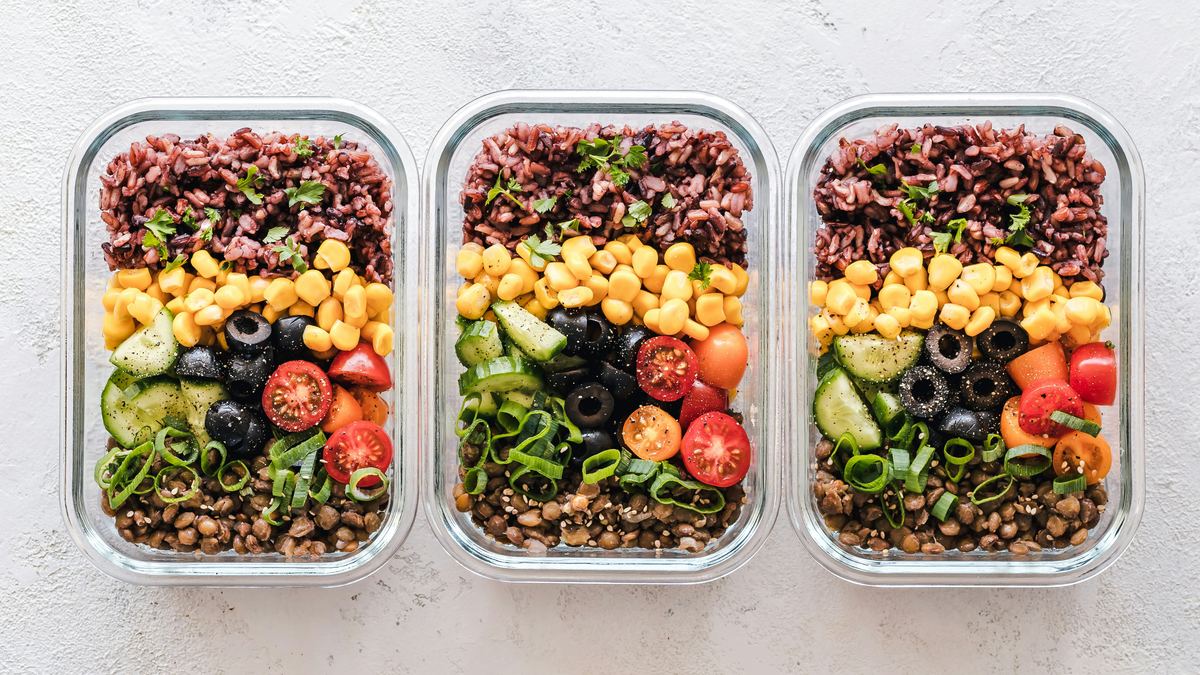
For a 180 lb (82 kg) lifter eating around 2,200 kcal and aiming for roughly 170 g of protein:
| Meal | Example | Protein |
|---|---|---|
| Breakfast | 3 eggs, 2 egg whites, toast, fruit | ~30 g |
| Lunch | Chicken breast, rice, big salad | ~45 g |
| Snack | Greek yogurt with berries | ~20 g |
| Dinner | Lean beef or tofu stir-fry with vegetables and rice | ~45 g |
| Evening | Protein shake or cottage cheese | ~30 g |
Common cutting mistakes
- Cutting too fast. Crash diets cost muscle, strength and sanity.
- Dropping protein. It's the macro you protect first.
- Switching to "toning" workouts. There's no such thing as toning; there's building muscle and losing fat.
- Trusting the daily scale. Weight bounces with water, salt and carbs. Track the weekly average instead.
- Never stopping. Long cuts get harder. Planned breaks at maintenance every few months help many people stay on track.
If you have a history of disordered eating or a medical condition, work with a doctor or registered dietitian rather than following general guidelines.
Frequently asked questions
Can you build muscle while cutting?
Beginners, people returning after a break and people with more body fat often can. Experienced, lean lifters usually aim to keep muscle rather than gain it. See our guide on body recomposition.
How long should a cut last?
Often 8–16 weeks, depending on how much fat you want to lose. Longer cuts work better with breaks at maintenance in between.
Will I lose strength when cutting?
A small drop is normal, especially late in a cut. If your lifts fall sharply, your deficit is probably too aggressive or your sleep and protein need attention.